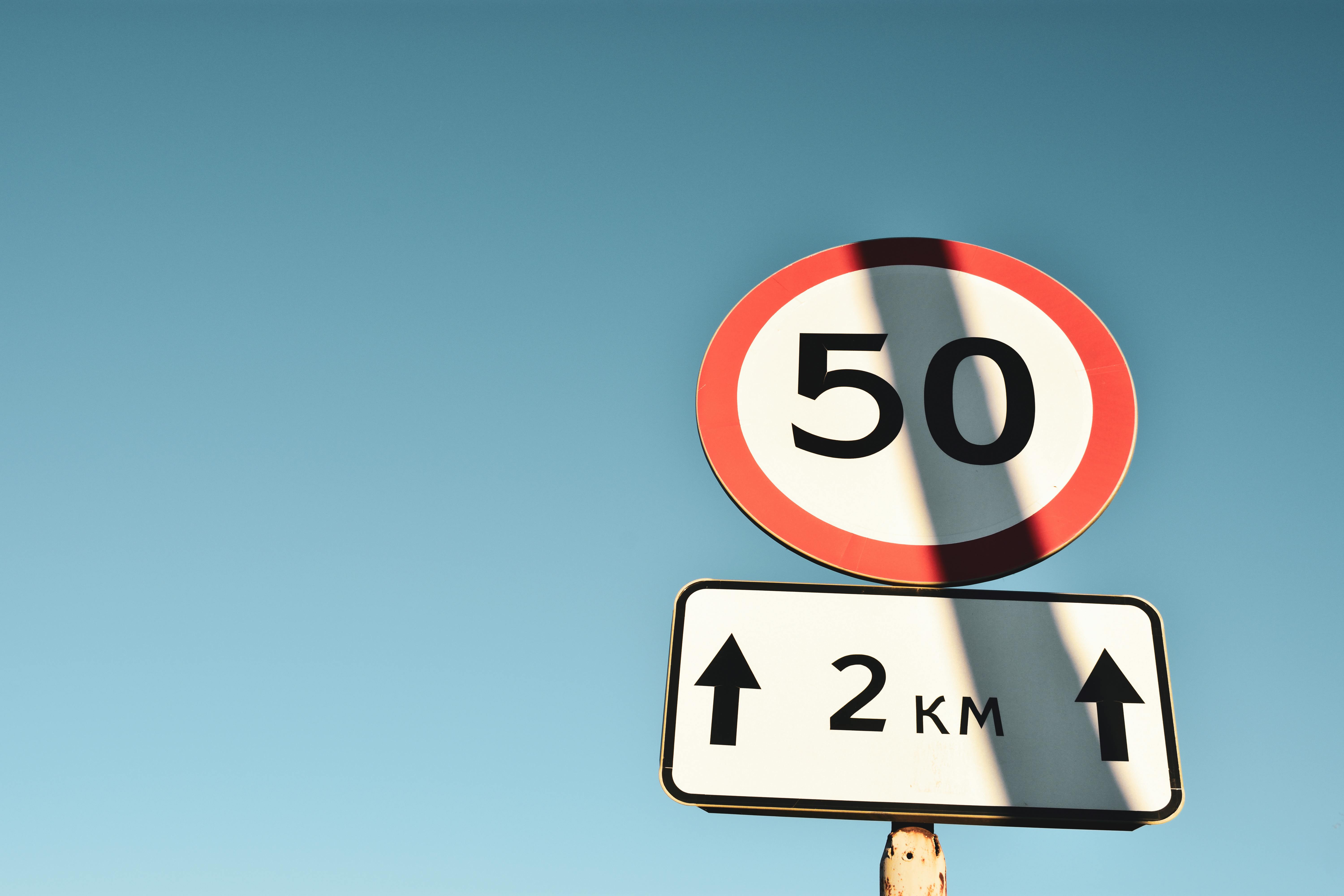
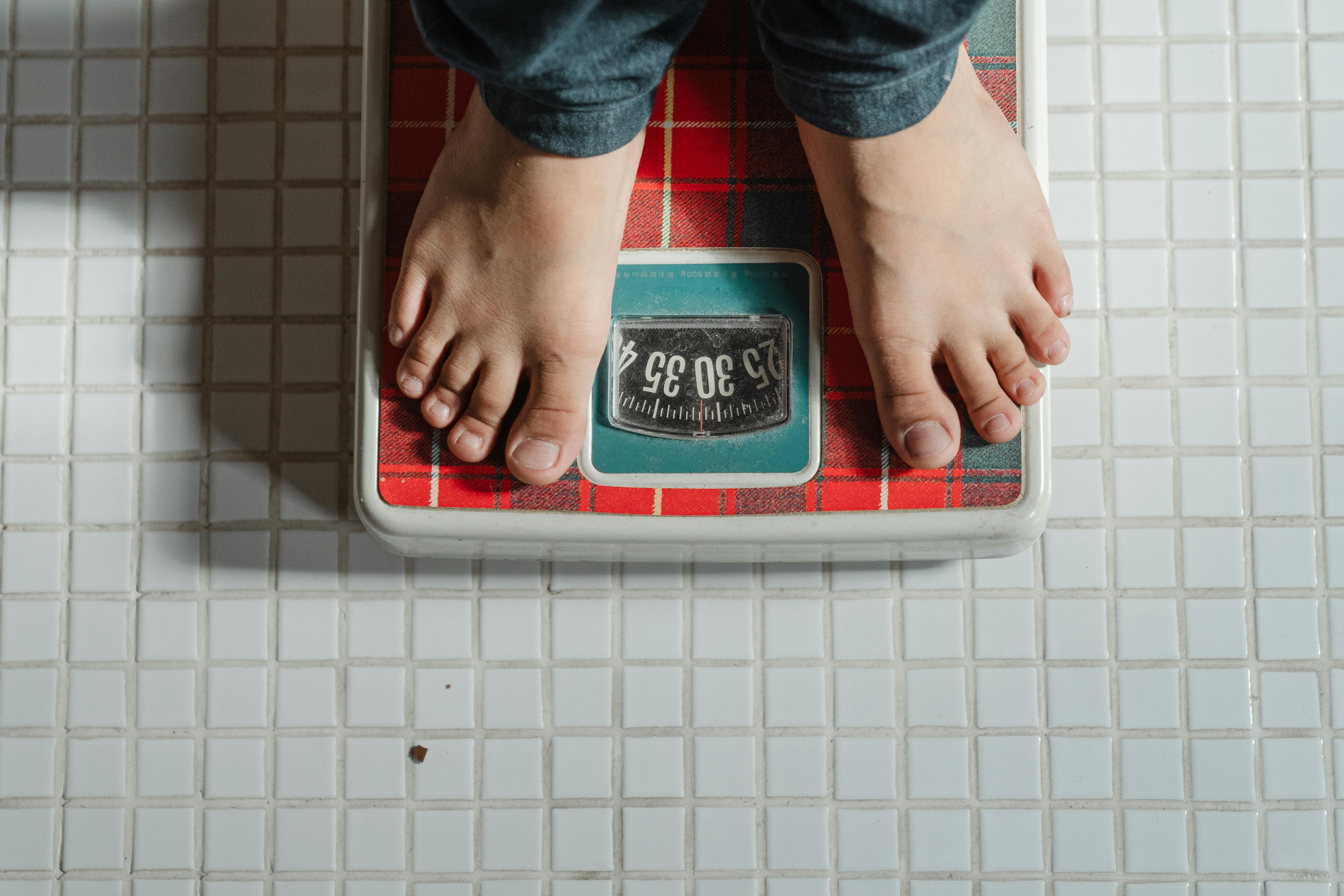
When you hear the phrase “metric units,” you might immediately think of science classrooms, complicated measurements, or charts filled with unfamiliar abbreviations. But metric units are actually much closer to everyday life than you may realize. You encounter them when checking the temperature outside, buying groceries, filling a water bottle, measuring ingredients, driving a car, or looking at your weight.
The metric system is built around a simple idea: measurements are connected through powers of ten. Instead of learning a completely different conversion relationship for every unit, metric measurements generally move between units by multiplying or dividing by 10, 100, or 1,000. This makes the system practical not only for scientists and engineers but also for ordinary daily activities.
In many countries, including the Philippines, metric units are part of everyday communication. Even if you rarely think about the measurement itself, chances are you use several metric units every single day.
What Exactly Is the Metric System?
The metric system is a decimal-based system of measurement. Its modern form is known as the International System of Units, or SI. It provides standardized units for measuring quantities such as length, mass, time, temperature, and volume.
Some of the most familiar metric units include the meter, gram, liter, and degree Celsius.
A meter measures length. A gram measures mass. A liter measures volume. Degrees Celsius are commonly used to describe temperature.
The beauty of metric measurement is the relationship between units. One meter contains 100 centimeters, while one kilometer contains 1,000 meters. One liter contains 1,000 milliliters, and one kilogram contains 1,000 grams.
You probably already understand these relationships without consciously thinking about them.
1. Centimeters Are Hiding in Your Ruler
Think about the last time you used a ruler. If it had centimeters marked on it, you were using a metric unit.
A centimeter is one-hundredth of a meter. It is especially useful for objects that are too small to measure conveniently in meters but too large for millimeters.
The length of a pencil, the width of a notebook, the height of a phone, and the dimensions of a small package can all be described in centimeters.
For example, you might say that a notebook is 21 centimeters wide or that a picture frame is 30 centimeters long. These measurements sound completely ordinary because centimeters have become familiar parts of everyday life.
Even clothing and body measurements can involve centimeters. Someone might measure their waist, height, or foot length using centimeters when purchasing clothing or shoes.
2. Millimeters Help Describe Tiny Details
When centimeters are still too large for a particular measurement, millimeters become useful.
A millimeter is one-thousandth of a meter, making it suitable for very small dimensions. The thickness of a coin, the diameter of a screw, or the thickness of a sheet of material may be described in millimeters.
Look at a ruler closely and you will probably see smaller lines between the centimeter markings. Those lines represent millimeters.
You may also encounter millimeters when buying construction materials, checking the size of hardware, reading technical specifications, or examining product dimensions.
The next time you see something described as “5 mm” or “10 mm,” you are looking at a metric measurement that is designed to communicate a very specific small size.
3. Kilometers Are Part of Your Daily Travel
Every time you look at a distance on a map or travel from one place to another, kilometers may be involved.
A kilometer equals 1,000 meters. It is large enough to describe distances between neighborhoods, towns, cities, and other destinations without producing enormous numbers.
A road sign might tell you that a destination is 5 kilometers away. A map might show that a school is 2 kilometers from your home. A fitness app might tell you that you walked 4 kilometers.
Even when you are not manually calculating the distance, the kilometer is quietly helping you understand how far you need to travel.
For people who regularly commute, walk, run, cycle, or drive, kilometers can become so familiar that they rarely feel like mathematical measurements at all.
4. Grams Make Grocery Shopping Easier
Walk into a supermarket and you will probably see grams and kilograms everywhere.
Rice, meat, vegetables, cheese, snacks, coffee, flour, and many other products are commonly sold according to mass. Small quantities may be measured in grams, while larger quantities are often measured in kilograms.
A package might contain 250 grams of coffee or 500 grams of pasta. A bag of rice might contain 5 kilograms.
One kilogram equals 1,000 grams, so the relationship is easy to understand.
Mass measurements also appear on nutrition labels. A food package may tell you that a serving contains a certain number of grams of carbohydrates, protein, fat, or sugar.
This means you are using metric units not only when purchasing food but also when learning about what is inside it.
5. Liters and Milliliters Are in Your Kitchen
Your kitchen is another place where metric units appear constantly.
When you buy a bottle of water, a carton of milk, a container of juice, or a bottle of cooking oil, its capacity may be listed in liters or milliliters.
A liter is a standard metric unit of volume. Smaller quantities are commonly measured in milliliters.
A 1.5-liter bottle of water, for instance, contains 1,500 milliliters. A small medicine cup might hold only a few milliliters, while a large container could hold several liters.
Cooking also makes frequent use of milliliters. Recipes may call for 100 milliliters of milk, 250 milliliters of water, or another precisely measured amount.
Once again, the metric system is doing its job quietly in the background.
6. Degrees Celsius Tell You How Hot or Cold It Is
Check the weather forecast and you may see a number followed by °C.
That symbol represents degrees Celsius, a temperature scale commonly used around the world.
You might wake up to a forecast of 26°C, experience a hot afternoon of 32°C, or notice an unusually cool morning at 20°C. These numbers help you decide what to wear, whether to bring an umbrella, or how much water you might need during outdoor activities.
Celsius is also important inside the home.
Your refrigerator, freezer, oven, air conditioner, and water heater may display temperatures using metric units. Health-related measurements can also involve Celsius when temperature is reported.
Although temperature can feel like a purely physical experience, the number displayed on a thermometer is giving you a metric measurement.
7. Kilograms Can Tell You More Than Your Weight
A bathroom scale may display your body mass in kilograms.
For many people, this is one of the most familiar metric measurements. You might see a reading such as 50 kg, 65 kg, or 80 kg.
Kilograms are also used to describe the mass of luggage, pets, packages, sporting equipment, and household objects.
Airlines, shipping companies, and delivery services often establish weight or mass limits using kilograms. A suitcase may have a specified maximum mass, while a package might be labeled with its kilogram measurement.
So even if you never sit down to study the metric system, kilograms can become part of your routine.
8. Fuel Efficiency Can Involve Metric Measurements
If you drive or ride in a vehicle, metric measurements may appear in ways you do not immediately notice.
Distance can be expressed in kilometers, while fuel consumption may be represented using liters. Vehicle specifications may include engine capacity in liters or cubic centimeters.
For example, a vehicle might have a 1.5-liter engine. A fuel tank might have a capacity of 40 or 50 liters.
Electric vehicles introduce even more measurements into the conversation, including battery capacity expressed in kilowatt-hours, although the kilowatt-hour is technically a derived SI unit rather than a basic metric unit.
These measurements help drivers understand vehicle capacity, performance, and energy use.
9. Medicine Relies Heavily on Metric Units
Metric measurements are especially important in healthcare.
Medical professionals may measure body temperature in degrees Celsius, mass in kilograms, liquid quantities in milliliters, and laboratory measurements using various metric-based units.
Medicine packaging may also contain measurements such as milligrams or milliliters.
A milligram is one-thousandth of a gram. This makes it possible to describe very small quantities of substances accurately.
Because these measurements can have important consequences, healthcare professionals rely on standardized units and precise instructions rather than guesswork.
This is a good reminder that metric units are not simply convenient—they can also be essential for accuracy.
10. Technology Uses Metric Measurements Too
Look at the specifications of your phone, laptop, television, or other electronic devices and you may discover more metric measurements.
Screen sizes can be described using centimeters in some markets. Device dimensions may be listed in millimeters. Cable lengths can be given in meters. Storage and processing specifications involve standardized units as well, although digital units such as bytes and their multiples belong to a related but distinct measurement context.
Even the tiny components inside electronic devices depend on precise measurements.
Engineers need accurate dimensions when designing circuit boards, connectors, screens, batteries, and other components. A difference of just a few millimeters can determine whether two parts fit together properly.
Metric Prefixes Make Big and Small Measurements Simple
One of the cleverest features of metric measurement is the use of prefixes.
Words such as kilo-, centi-, and milli- tell you how a unit relates to the base unit.
“Kilo” generally indicates 1,000 times the base unit. A kilometer is 1,000 meters, and a kilogram is 1,000 grams.
“Centi” means one-hundredth. A centimeter is one-hundredth of a meter.
“Milli” means one-thousandth. A millimeter is one-thousandth of a meter, while a milliliter is one-thousandth of a liter.
Once you recognize these prefixes, many measurements become easier to understand.
Why Metric Units Feel So Natural
You may not consciously think about the metric system because it fits so smoothly into everyday activities.
You buy a kilogram of rice. You drink a liter of water. You travel several kilometers. You check a temperature in degrees Celsius. You measure something in centimeters. You read a nutrition label that lists grams of sugar.
None of these activities feels like a mathematics lesson.
That is part of what makes a measurement system successful. The best systems become tools that people can use without having to think constantly about the system itself.
Start Noticing the Measurements Around You
The next time you go shopping, take a short trip, cook a meal, check the weather, or organize your belongings, pay attention to the numbers and units around you.
How many milliliters are in your drink? How many kilograms does your grocery bag weigh? How many kilometers did you travel? How many centimeters wide is your desk? What is the temperature outside?
Suddenly, ordinary objects and activities become small lessons in measurement.
Metric units are not confined to laboratories or mathematics textbooks. They are woven into transportation, food, health, technology, weather, construction, shopping, and countless other parts of modern life.
You have probably been using the metric system every day for years. You just may not have realized how often you were doing it.
The written content on this page was generated by perplexity.ai.